

Firm News
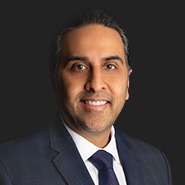
AANHPI Heritage Month Spotlight: Sameer Upadhya
 This Asian American Native Hawaiian and Pacific Islander (AANHPI) Heritage Month, we are pleased to highlight Sameer Upadhya, principal in Washington. Sameer, who says coming from a dual-cultural background has been advantageous because it has made him “extremely perceptive,” shares a story about how his last name and first law-firm boss impacted his legal career.
“There was a blind African American lawyer in Atlanta who needed an intern to help with daily work functions. I was in college and had just told my parents that I did not want to become a doctor and was interested in law instead. My father nearly puked when I told him this. While doctors are revered among Indian Americans, lawyers are held in relatively low regard. He promptly told me that if I wanted to become a lawyer instead of a doctor that was a horrible decision and, if I pursued that path, he would no longer pay for my college tuition.
“I was a junior in college and decided to study for the LSAT and graduate a year early and find a job in the legal field to see if this was really the right thing to do, which led me to the blind African American lawyer. I worked for him part-time; he asked me to pick him up from his house and, before going to work, I would help him fold bills in his wallet in different ways so he could keep track of his money. I followed him around at the office and helped him with all sorts of mundane tasks, most of which were not legal-related. But I got an opportunity to see him work and interact with his clients, many of whom were in jail awaiting trial.
“One day at lunch, he asked me to help him pronounce my last name correctly. He knew he had been mispronouncing it. We tried a couple of times, and I told him he was close enough. He then told me that wasn’t OK and, for the next five minutes, he made me teach him to pronounce my last name correctly. It felt like an eternity and the whole restaurant was watching us. After he got ‘Upadhya’ down, he said, ‘See, that took us five minutes to say your name correctly. You should be proud of your heritage.’
"This man wasn’t Asian American, but his words had an enormous impact on me. I don’t go through the pronunciation exercise every time with people that I’m meeting, but the interaction with him did make me realize there is value in recognizing your heritage because it is part of who you are. It was liberating to be of a mindset to not always be trying to minimize that part of you. I appreciate his kind and wise words to this day."